

INTERIOR ARCHITECTURE & DESIGN
Same building. Completely different outcome. See what your property is capable of!
Saxon Architects is an Interior Architecture practice based in Kent, working with homeowners, landlords, developers and building managers across the South East.
We specialise in the reconfiguration and adaptive reuse of existing properties. Our approach prioritises repurposing, redesigning and reusing what is already there, and we only recommend building out where it is genuinely necessary. The result is a better-performing property, achieved with less cost, less disruption and less waste.
Many of today's homes were designed for a way of life that has since changed. Whether we are working on a private home, a rental property or a development, we improve how a building functions and how it feels to live in, through considered layouts, storage, natural light, colour and lighting design.
Improve, rather than move - Invest in the asset, not the transaction
Buying and selling an average-priced UK home now costs around from £15,000 in stamp duty, legal fees, surveys, mortgage fees and removals etc. It's money spent on the transaction, not the asset.
Invested in an existing property, the same budget works harder. It can reconfigure a layout to gain an extra bedroom within the existing footprint, turn underused space into usable floor area, and bring a dated unit up to a market-ready specification. The outcome is stronger sale or rental value, shorter void periods and a property that competes on quality, not just price.
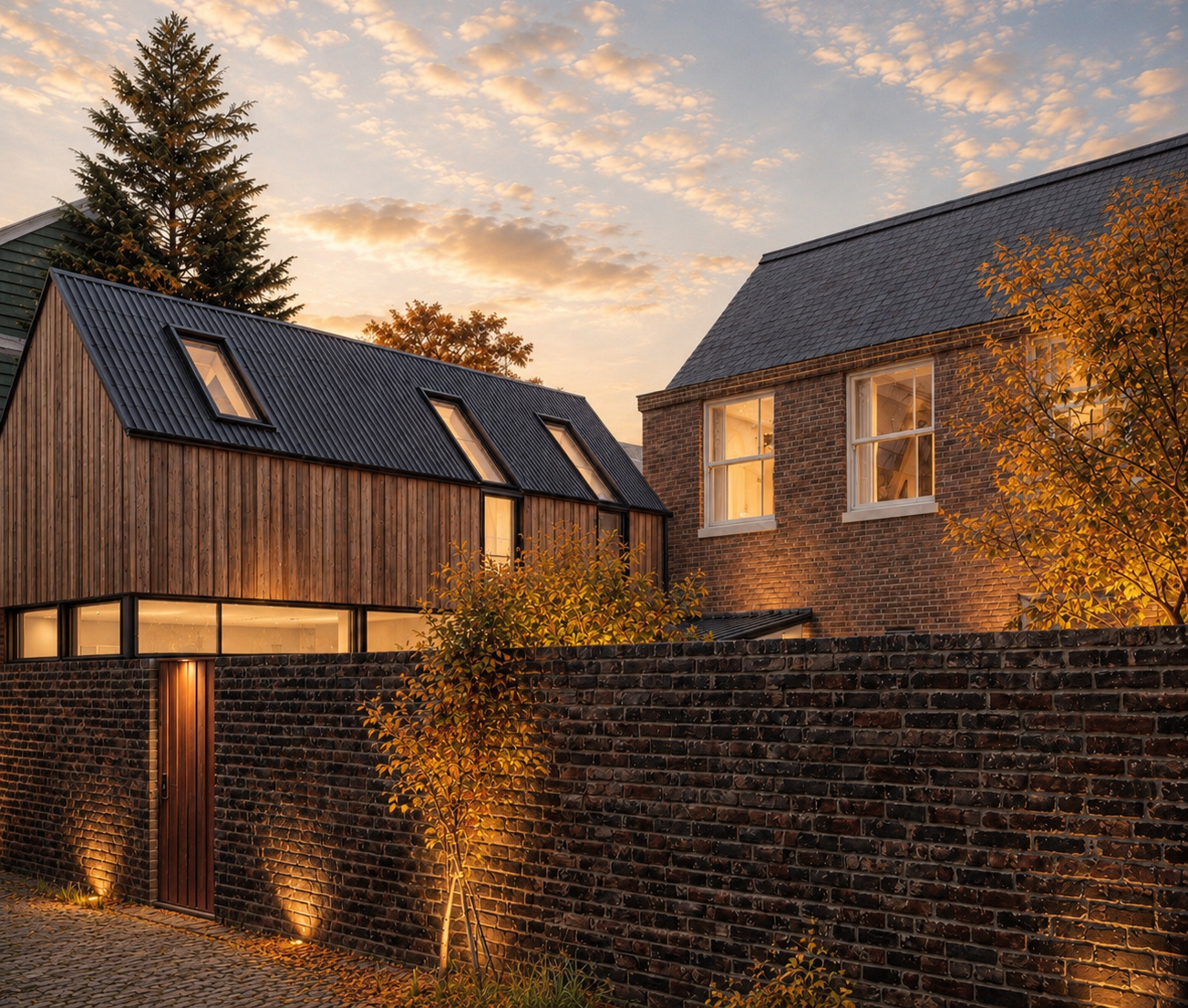
Building work in the UK is becoming more complex and more expensive. Rising construction costs, stricter regulations and long lead times mean that even a modest extension can take months to deliver, and the process is often time-consuming and stressful for everyone involved.
Yet most buildings already have the space they need. Rethinking how that space is used is often the quicker, more cost-effective route to a better property, whether it's a family home, a rental or a development.
The same principle applies across the market. When buying, selling or letting, a well-designed property consistently outperforms one that is simply larger. It photographs better, shows better and feels right from the moment someone walks in. For sales, that means stronger interest and a quicker sale. For lettings, it means attracting quality tenants who stay longer, with fewer void periods in between.
Five improvements that pay off in value and wellbeing
When you're thinking about improving a property, this is a great place to start. Lighting, colour, natural light, storage and zoning shape how every space feels and functions, and each can be improved within the existing building.
-
Your body keeps time by light, whether you notice it or not.
Circadian lighting follows daylight's natural rhythm: bright, cool light by day and warm, soft light in the evening. It supports better sleep, energy and mood, while efficient LEDs and smart controls keep running costs down. For landlords and developers, it's a modern feature that sets a property apart.
-
You feel a colour before you've even thought about it.
Warm reds and oranges energise. Soft blues and greens calm things down. The wrong colour in a bedroom can keep you restless, and the right one in a workspace can help you focus. Light changes colour too: north-facing rooms receive cooler light that warm tones soften, while sunnier south-facing rooms can carry fresher, cooler shades. Colour is one of the simplest ways to change how a home feels, and one of the most overlooked.
-
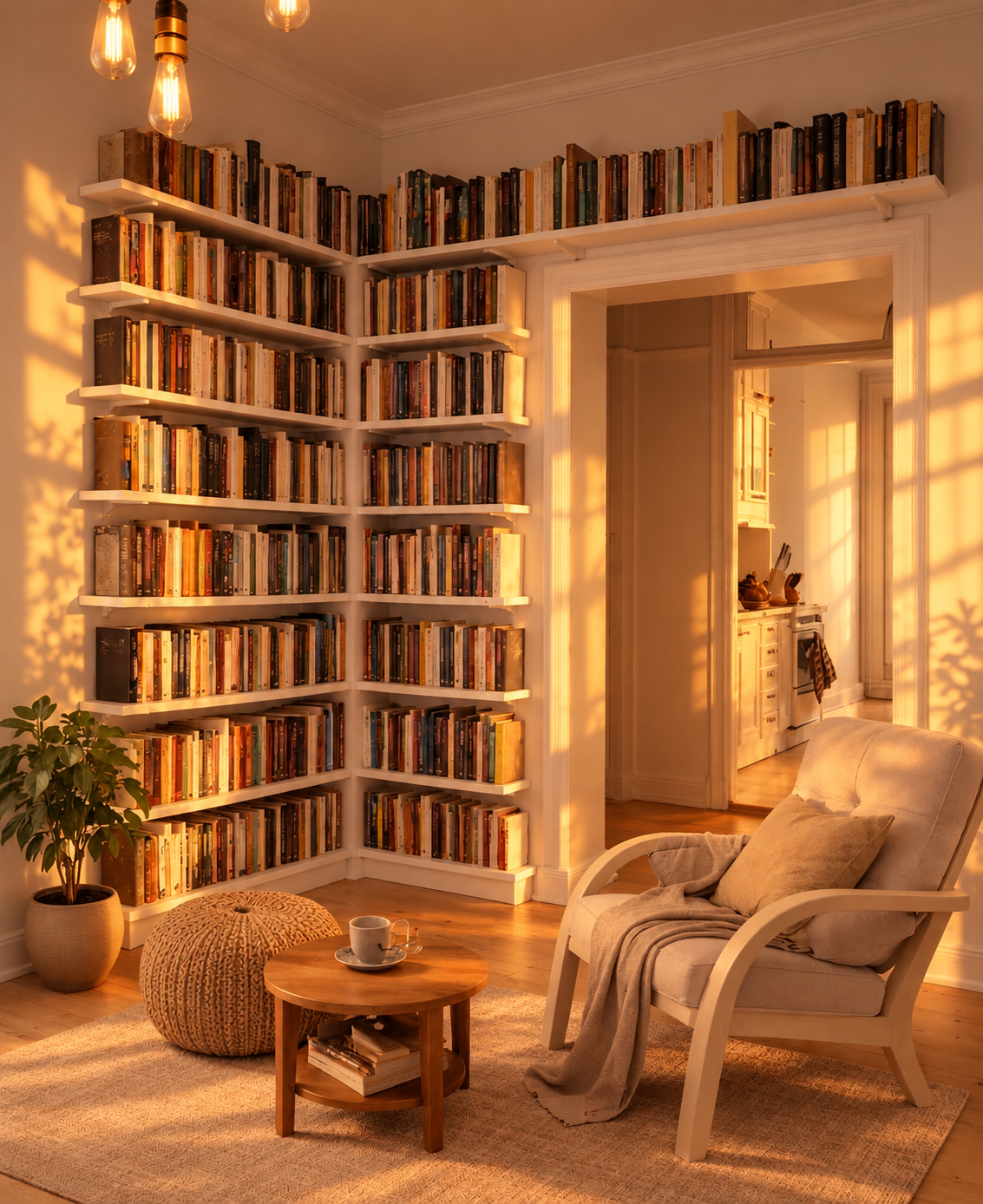
Clutter appears when your things have nowhere to go.
Good storage is designed into a home, not squeezed in afterwards. Built-in furniture turns awkward alcoves, dead corners and wasted walls into functional space. Everything has its place, rooms feel bigger, and the home stays effortlessly calm.
-
A window is the most beautiful piece of decor in any room.
It frames the view, changes with the seasons and fills a space with light no lamp can match. Daylight supports mood, energy and healthy sleep patterns, and it makes rooms feel larger, more open and more welcoming. We find ways to carry it deeper into a property, so no room is left in the dark.
-
One room can do many jobs, as long as each job has its own space.
Zoning gives each activity its own place, whether that's a corner to work, a spot to read, an area for children to play or a calm space to switch off. Shaped around the needs and routines of the people using it, a well-zoned home naturally encourages healthy habits and makes everyday life feel more organised.
Where do I start, and is this for me?
"How do I make this property work better without building out?"
"I want to renovate, but I don't know what to prioritise."
"Why does the space feel smaller than it actually is?"
"What will add the most value: layout, kitchen, bathroom or extension?"
"The property is on the market, but it isn't moving."
If any of these sound familiar, we can help. You don't need drawings, a detailed brief or a fixed budget. Helping you define those is part of what we do. We look at the property as a whole and give you a clear, honest picture of what isn't working, what's worth doing and what isn't, before you spend money on the wrong thing.


How we work
Consultation: we discuss the property, your goals and your budget.
Survey: we measure and record the building accurately, so every decision rests on reliable information.
Strategy: we set out what the space can become, what it involves and where your investment will have the greatest impact.
If building work is required, we coordinate it through our trusted network of engineers and contractors, so you have one point of contact from start to finish.
Clarity before commitment. Intelligence before investment.