Preserving the Past, Shaping the Future


Listed farmhouse · Conservation · Kent Area of Outstanding Natural Beauty
Some buildings carry so much history that the architect's job is mostly to listen.
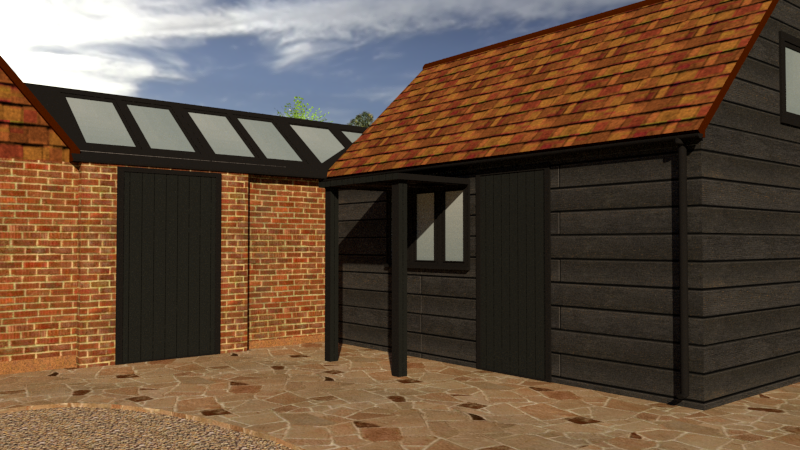
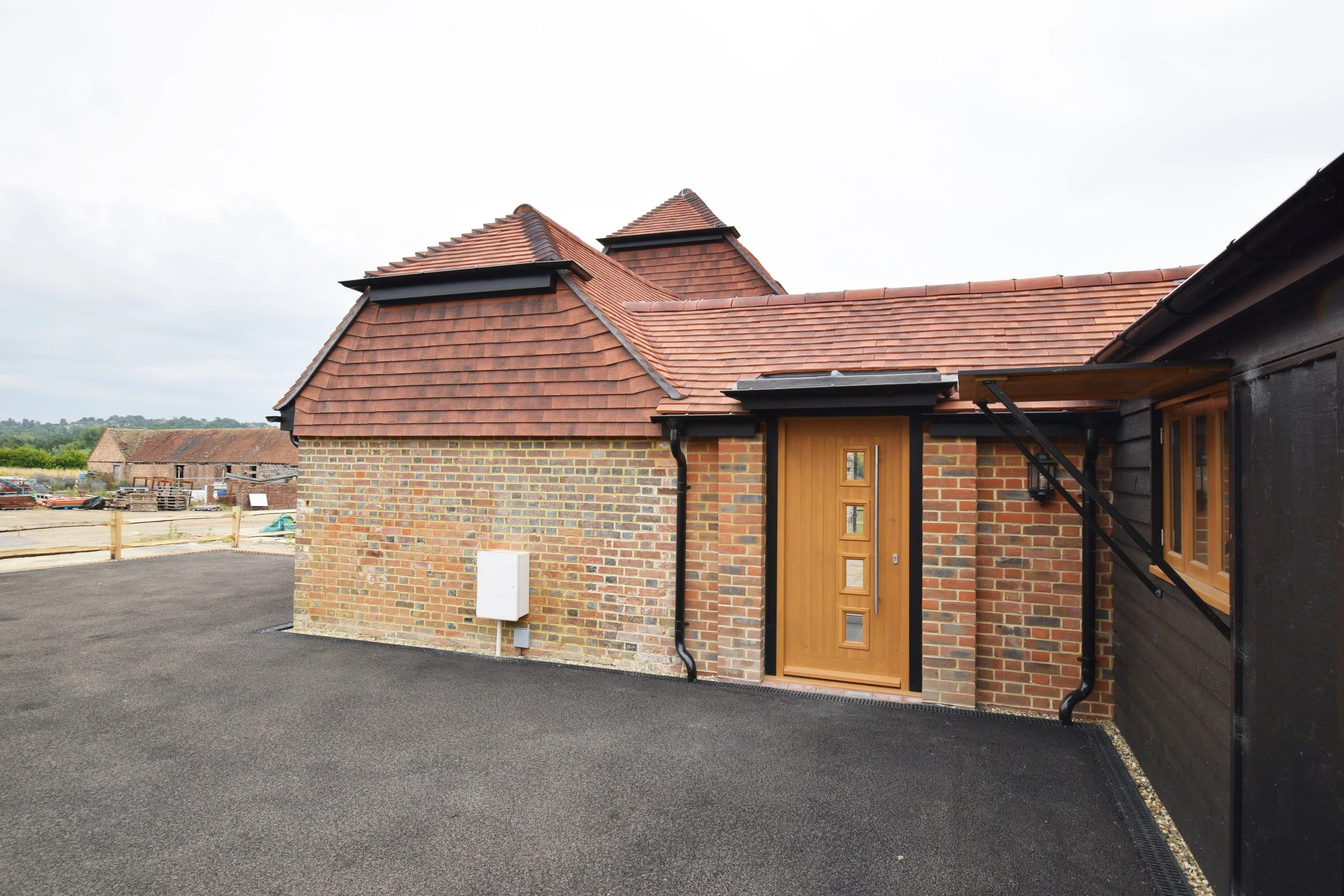
This farmhouse — owned by the same family since 1932, sitting within a Kent Area of Outstanding Natural Beauty, and listed with origins dating back to the 15th century — is exactly that kind of building. Once a significant hop producer in the region, the wider farmstead has gradually found new life across its curtilage buildings: offices, holiday lets, and residential conversions, each one navigated carefully within the constraints that heritage designation demands.
This project belongs to Jack — our late colleague, co-founder, and the kind of architect who thrived in exactly this territory. Technically rigorous, deeply patient, and completely at home with the complexity that listed buildings of this significance demand. The council's scrutiny was relentless, as it invariably is with heritage of this age and sensitivity. The timeline extended accordingly. Jack held the line throughout, and the completed project reflects everything he brought to it.
We carry this project as part of our story with enormous pride. It represents a standard of technical conservation work that very few practices attempt.


Where history ends and living begins
Owning a listed building is one thing. Making it feel like a home you actually want to live in is another.
Most people with heritage properties share the same frustrations. The rooms are dark and cold in ways that feel impossible to address. The layout was designed for servants and social hierarchy — not for a family trying to cook together, work from home, or simply feel comfortable. The restrictions feel endless, and every professional they speak to leads with what they can't do rather than what they can.
Here is what most listed building owners don't realise: a significant amount of what makes a heritage home feel difficult to live in doesn't require planning consent to fix.
Colour is the most immediate example. The right palette — historically informed, sympathetic to the building's materials and light — can transform how a dark, cold room feels without touching a single protected surface. Heritage buildings respond dramatically to colour in ways modern homes don't, because the walls, proportions, and natural light are so characterful. Getting this wrong is easy. Getting it right changes everything.
Furniture placement and spatial zoning are equally powerful. Many listed homes feel uncomfortable not because of their history but because nobody has ever properly thought about how to zone them for modern life. Where you eat, work, rest, and gather — and the spatial logic between those activities — can be completely rethought without a single consent application.
Lighting — not the fittings, but the strategy — transforms heritage interiors in ways that are often overlooked. Where light falls, how shadows work with period features, how to layer natural and artificial light to bring warmth to rooms that have felt cold for decades.
We can also advise on what changes are genuinely possible within listed building constraints — what requires consent, what doesn't, and where the opportunities are that most owners haven't considered. A fresh pair of eyes on a heritage building often finds possibilities that years of living in it have made invisible.
A Conscious Home Consultation — £250 — is a particularly good starting point for listed building owners. One hour. Your home, its specific constraints, and a clear picture of what can change and how. No vague reassurances. A practical plan grounded in both design psychology and heritage sensitivity.